
Lowton, Greater Manchester · WA3
Drain De-Rooting & Root Cutting in Lowton
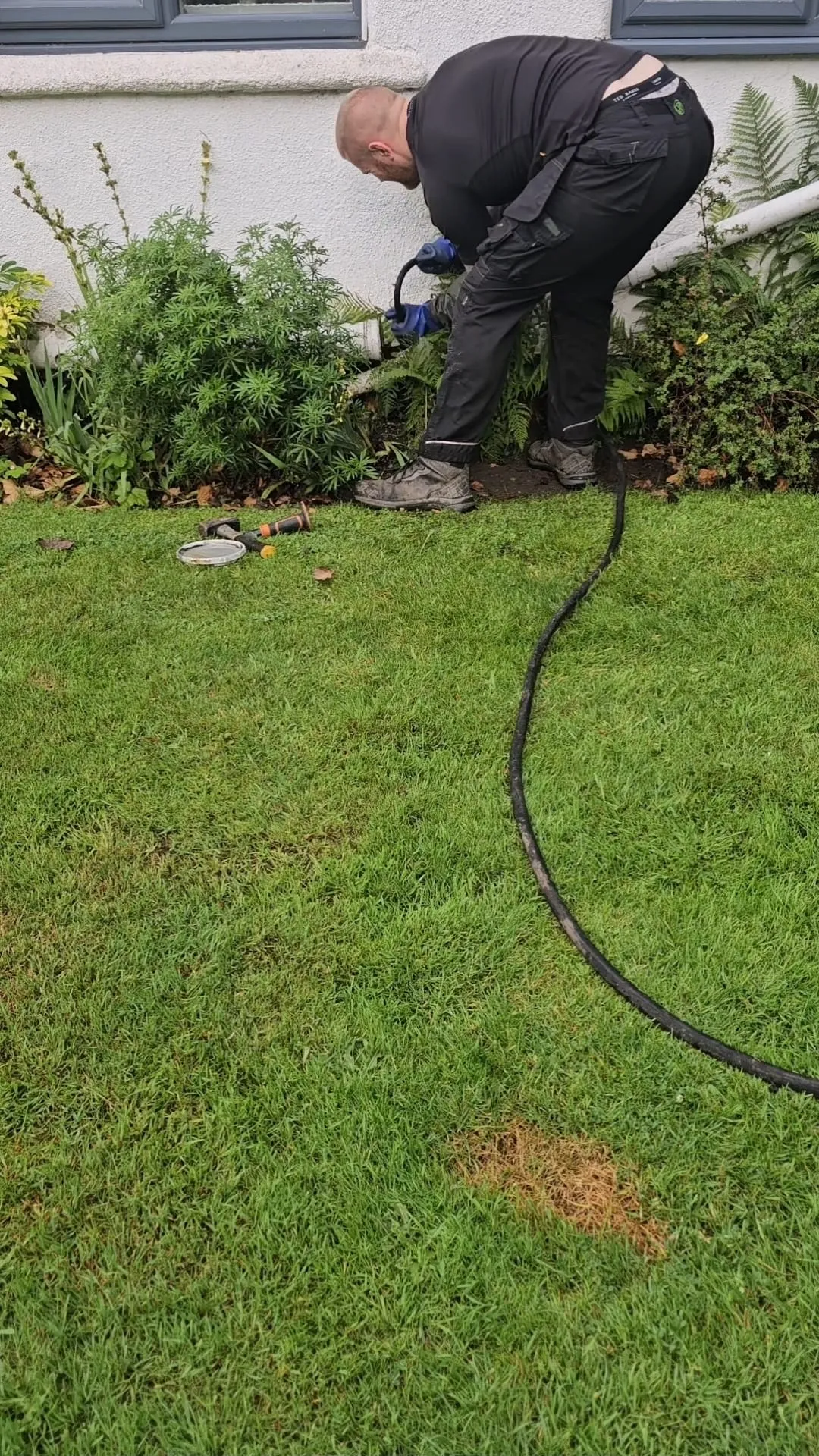
Mechanical root cutters and chain flails strip pipes back to bare bore — followed by CCTV to prove the line is clear.
Drain de-rooting (also called root cutting) is one of the most common drainage repairs across Lowton, especially anywhere with mature trees and older clay or pitch fibre pipework. Standard WA3 mixed picture — clay laterals, mature gardens, occasional off-mains on the rural fringe. Mechanical de-rooting strips the line back to bare bore — and we always finish with a CCTV pass so you can actually see the pipe is clear, not just flowing.
Postcode district
WA3
Typical response
25–35 mins
From Shevington base
~18 miles
Service radius
23+ miles
Postcodes covered: WA3 · primary nearby coverage: Leigh, Newton-le-Willows, Golborne
What root cutting actually involves
Mechanical de-rooting using powered root cutters, chain-flail nozzles and high-pressure jetting to remove invasive root mass from clay, pitch fibre and concrete pipework. Followed by CCTV verification so you can see the line is actually clear, not just flowing.
Our process in Lowton
- 1Pre-survey to map the worst affected joints
- 2Mechanical cutter or chain-flail run through the affected sections
- 3Jetting flush to clear the dislodged root mass
- 4Post-cut CCTV to confirm full bore and a clear pipe wall
- 5Honest advice on whether to line, repair or schedule a follow-up
When Lowton customers call us
- Recurring blockages every 6–12 months in the same location
- Older clay drains with mature trees nearby
- Slow flow and gurgling that returns weeks after a normal unblock
- CCTV survey already showing root ingress at joints
- Post-removal of a tree where roots are still in the line
Pricing & response in Lowton
Priced per length of affected pipework — quoted from the pre-survey.
Usually booked within the week; combined with the verification CCTV in one visit.
What's specific to root cutting in Lowton
Postcodes covered: WA3 · typical response 25–35 mins
Lowton's typical root culprits: Standard WA3 mixed picture — clay laterals, mature gardens, occasional off-mains on the rural fringe.
When to line vs cut: if cutting has been done twice and the problem keeps coming back, lining the joints is the right next step — most Greater Manchester insurers will accept the CCTV evidence we provide.
Verification: every de-root in Lowton gets a post-cut CCTV run included in the price, not quoted as extra.
Recent root cutting jobs we've taken in Lowton
Representative examples — names and exact addresses kept private.
- Recurring root ingress at the boundary of a WA3 garden with a mature sycamore.
- Privet hedge roots in the salt-glazed lateral of a Leigh terrace.
- Annual cut-and-CCTV maintenance for a WA3 tree-lined street where lining isn't yet justified.
Nearby areas we cover for root cutting
From our base in Shevington (~18 miles from WA3) we also cover surrounding Greater Manchester areas:
Why local matters
Around 18 miles from base to WA3, with engineers already on the route most days of the week. Engineers based in Shevington — Lowton is on the map for daily routing, not a one-off detour.
FAQs — Root Cutting in Lowton
Do I need to remove the tree?
Almost never. The tree is rarely the real issue — old porous clay joints are. Lining the joints stops the ingress without taking a mature tree out.
Will the roots grow back?
Mechanical cutting clears the existing mass but the joints are still open, so roots can return — usually after 12–24 months in older clay drains. CIPP lining seals the joints permanently and is the long-term fix when ingress keeps recurring.
Do you actually cover Lowton?
Yes — Lowton is part of our core coverage, including WA3 and surrounding areas like Leigh, Newton-le-Willows, Golborne. Good combination route between Leigh and Newton-le-Willows runs.
Same blockage every 12 months in Lowton? It's roots.
Chain-flail cutter, 3000 psi flush, HD camera footage of the cleared pipe — all in one visit.
Book Lowton de-rootingDrain de-rooting in Lowton is the right first move when ingress is light and seasonal; CIPP lining is the right next move when it isn't. We'll show you the CCTV and quote the honest answer.